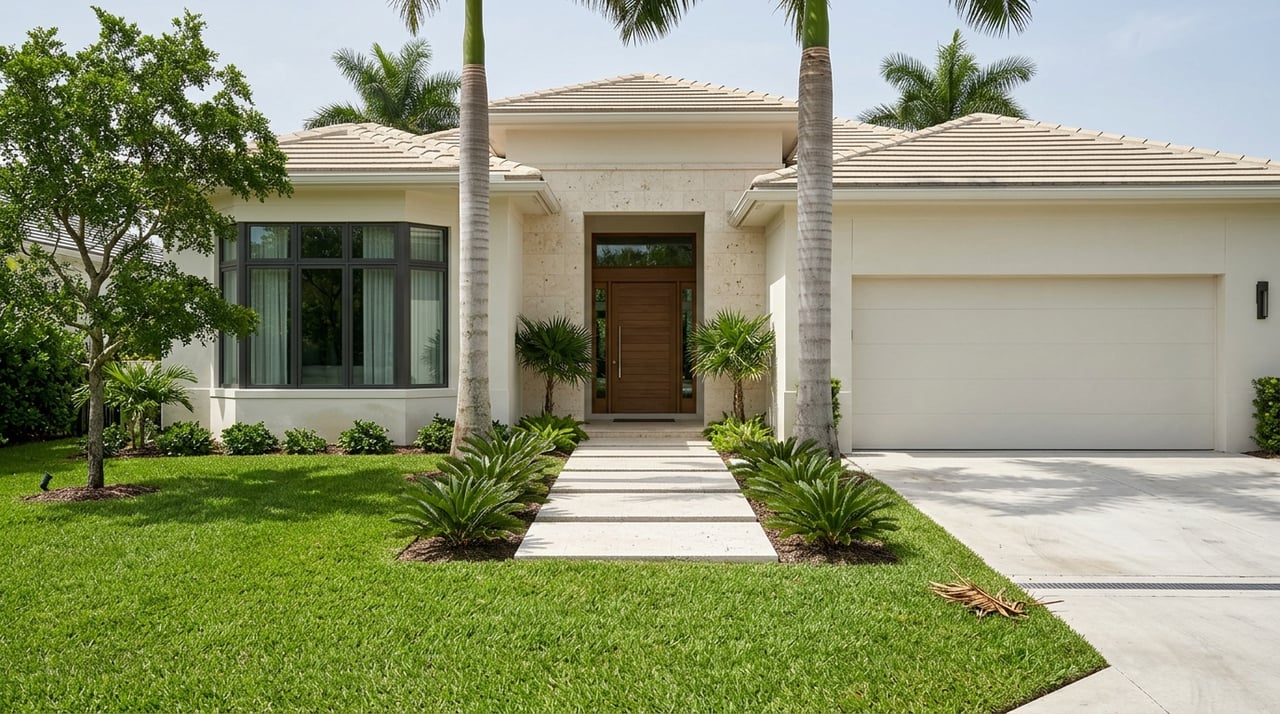
East Vs West Delray Beach Homes Compared
Trying to choose between east and west Delray Beach? That choice can shape your daily routine as much as the home itself. If you are weighing beach access, downtown convenience, detached-home neighborhoods, or commuter ease, understanding how the city is laid out can help you focus your search with more confidence. Let’s dive in.
In Delray Beach, east and west are not just directions on a map. The city’s planning documents describe meaningful differences in how each side developed, how homes are distributed, and how people move through daily life.
Broadly, eastern Delray includes the beach, downtown, and surrounding neighborhoods with a wider mix of uses. West of I-95, the pattern becomes more suburban, with more residential areas and shopping and workplaces concentrated along major corridors.
That distinction matters because two homes with similar square footage can offer very different lifestyles depending on where they sit. Your best fit often comes down to how you want to live day to day.
East Delray is where many buyers picture the classic Delray lifestyle. It includes the municipal beach, the Atlantic Avenue corridor, and older neighborhoods close to downtown.
The city describes Delray Municipal Beach as a 1.5-mile coastline centered at the east end of Atlantic Avenue. The Beach District sits between the Intracoastal Waterway and the Atlantic Ocean and is known for its traditional street-and-alley layout and strong village character.
If you want convenience and activity close by, east Delray often stands out. The area offers easier access to downtown destinations, beach time, and neighborhoods where homes sit closer to shopping, services, and employment.
The city’s Freebee downtown shuttle serves most locations east of I-95, from A1A and Gulfstream Boulevard to SW 10th Street. That is a practical perk if you value getting around downtown without always needing your car.
The city’s housing element points to traditional neighborhoods like The Set, Osceola Park, Palm Trail, and Lake Ida as part of the original downtown street grid. These areas historically offered a variety of housing types near shopping, services, and employment.
That mix can appeal if you want character, location, and a more connected neighborhood feel. It can also mean a broader range of home styles and living setups compared with a more uniform subdivision pattern.
Convenience often comes with tradeoffs. The city’s downtown resident parking permit program is a reminder that parking can be part of the equation in highly walkable east-side areas.
There is also evidence of a location premium. In the city’s 2019 housing analysis using 2012-2016 ACS data, the highest median rents were east of I-95, including Lake Ida and the Federal Highway area from NE 4th Street to SE 10th Street.
West Delray offers a different rhythm. As development expanded west of I-95, the housing pattern became more suburban, with lower-density neighborhoods and more single-use subdivisions.
The city says most residential land is west of I-95 and is served by commercial or mixed-use nodes along corridors such as Military Trail and Congress Avenue. For many buyers, that setup translates into a more residential feel with daily errands often centered around major roads.
If you prefer a quieter residential setting, west Delray may feel like a better fit. The city’s planning documents note that western neighborhoods rely more on corridors for shopping and workplaces.
That can mean a more car-oriented routine than what you may find closer to downtown and the beach. At the same time, many buyers like the predictability and convenience of having residential areas and commercial corridors clearly separated.
West of I-95, the city’s housing policies generally support single-family detached homes or low-density planned residential development on vacant land designated for low-density residential use. In plain terms, west Delray tends to align more with buyers looking for detached homes and lower-density surroundings.
This side of the city can be especially appealing if you are focused on space, a suburban layout, or a home search centered on single-family living rather than mixed-use surroundings.
West and central Delray offer practical regional access. The Delray Beach Tri-Rail Station is located at 345 S Congress Avenue and provides free parking for the commuting public.
The station also connects to Palm Tran routes 2, 70, 81, and 88. If your routine includes travel across South Florida, that can be a real advantage.
One important note: downtown Delray does not fit neatly into a strict east-versus-west label. The city’s Central Business District includes five sub-districts: Beach, Central Core, Railroad Corridor, South Pairs Neighborhood, and West Atlantic Neighborhood.
That means some downtown features and lifestyle benefits overlap the I-95 line rather than sitting entirely on one side. If you say you want to live “near downtown,” it helps to look more closely at the specific pocket, not just whether it is east or west.
Here is a simple side-by-side view of the differences supported by city planning documents.
| Feature | East Delray | West Delray |
|---|---|---|
| General feel | Beach-oriented, downtown-connected, mixed-use | More suburban, lower-density, corridor-based |
| Housing pattern | Wider variety of housing types in older neighborhoods | More single-use subdivisions and detached-home areas |
| Daily convenience | Strong access to beach, downtown, and nearby services | Shopping and workplaces often centered along major corridors |
| Transportation | Downtown shuttle coverage east of I-95 | Tri-Rail access and free commuter parking on Congress Avenue |
| Common tradeoff | Parking and location premium | More car-oriented day-to-day living |
The right choice depends less on which side is “better” and more on what matters most to you. Delray Beach is compact, but the value proposition changes meaningfully by location.
It also helps to zoom out and look at Delray Beach as a whole. The city’s housing stock is fairly mixed, with 46.1% of units reported as single-family attached or detached and 50% as multifamily with three or more units, based on 2012-2016 ACS data cited in the city’s housing element.
Citywide, the Census profile shows 42,298 housing units, a 63.2% owner-occupied rate, a median owner-occupied home value of $420,300, a median gross rent of $1,961, and a median household income of $82,041. These are citywide numbers, not east-versus-west pricing splits, but they help explain why location can have such a big impact inside one city.
When you compare east and west Delray Beach homes, focus on your routine before you focus on finishes. A renovated kitchen matters, but so does whether you want beach access, quicker downtown reach, commuter convenience, or a more suburban setting.
A smart search usually starts with a few simple questions:
The clearer you are on lifestyle, the easier it becomes to spot the right neighborhood and avoid touring homes that look good on paper but do not fit the way you live.
If you are thinking about buying or selling in Delray Beach, working with a local agent who can help you compare these micro-location tradeoffs can save you time and sharpen your strategy. For personalized guidance on east versus west Delray and what fits your goals best, connect with Dina Blau.
Whether you’re buying your first home, relocating, or selling your property for top dollar, Dina is committed to guiding you every step of the way. Her clients consistently praise her for being responsive, honest, and hands-on throughout the entire process.