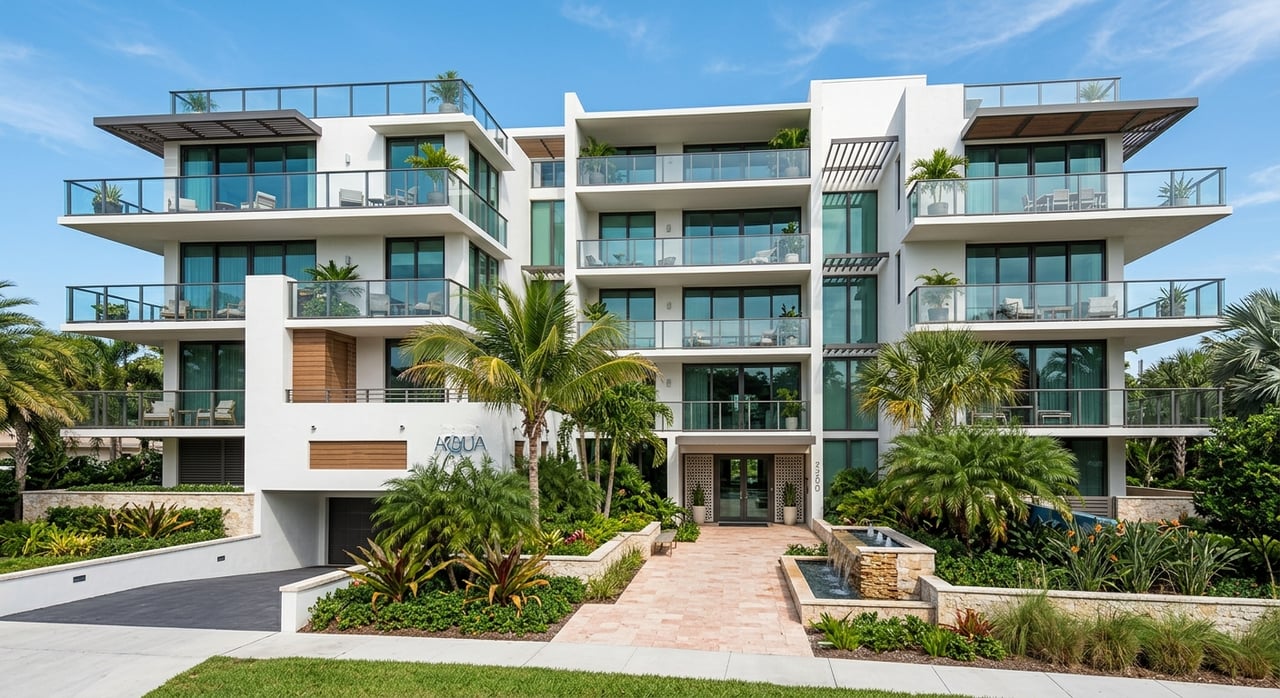
Condo Or House In Boca Raton: How To Choose
Choosing between a condo and a house in Boca Raton is not just about the purchase price. It is about how you want to live, what monthly costs you can comfortably carry, and how much responsibility you want to take on day to day. If you are weighing both options, this guide will help you compare the real tradeoffs in Boca so you can make a confident decision. Let’s dive in.
In Boca Raton, condo versus house is rarely a simple apples-to-apples comparison. The local market has a wide price spread, and your total cost can change fast once you factor in dues, insurance, flood exposure, reserves, and taxes.
Recent market snapshots show that range clearly. Realtor.com reported a median listing price of $595,000 and 70 median days on market in May 2026, while Redfin reported a median sale price of $830,503 over the last three months and 77 days on market. Those numbers measure different things, but together they show why property type and location matter as much as the Boca Raton name.
Boca also sits inside a county with a large mix of housing types. Palm Beach County has 186,199 condominium units and 387,771 single-family parcels. That gives you real variety, but it also means your best choice depends on the specific property and community, not just the broad category.
Before you compare fees and insurance, think about how you want your home to function. A condo and a house can support very different routines, even when they are in the same city and within a similar budget.
A condo often works well if you want a more packaged ownership experience. Many buyers like the idea of shared amenities, less direct exterior upkeep, and a property that can feel easier to leave for part of the year.
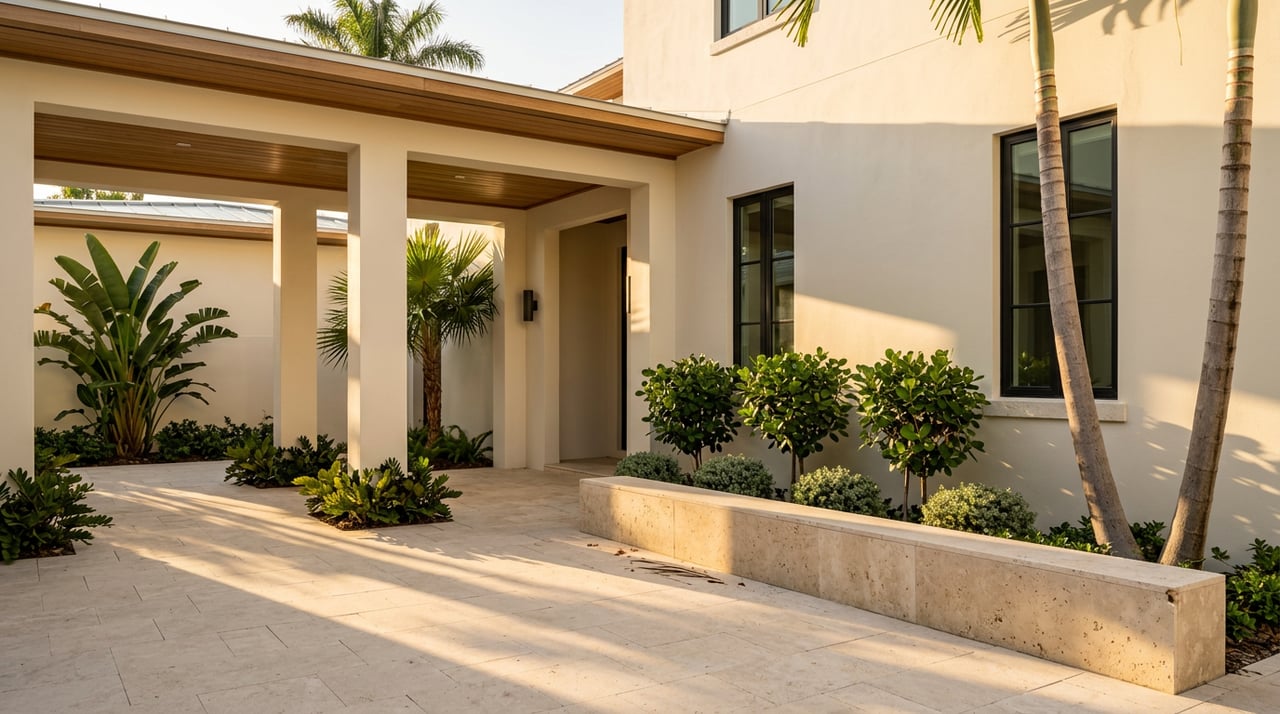
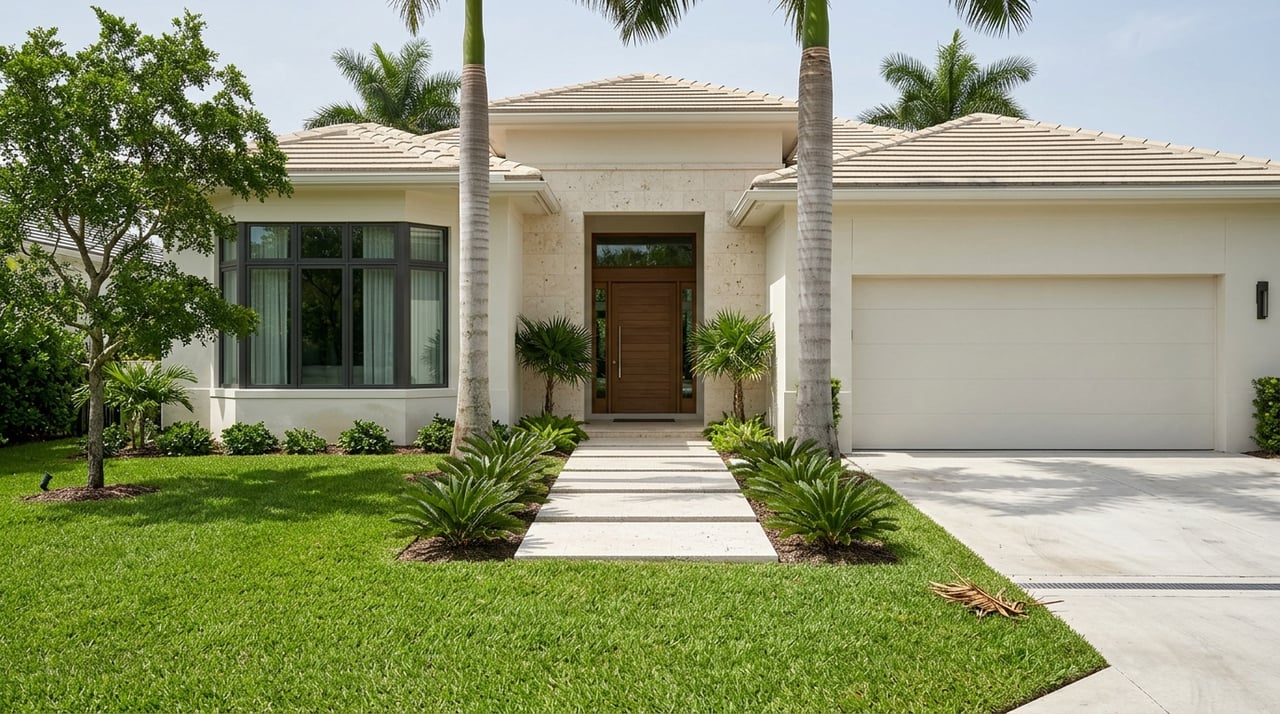
A single-family house often fits buyers who want more privacy, more separation from neighbors, and more private outdoor space. It can also appeal to buyers who want more direct control over their property decisions.
In Florida, condo ownership comes with an association structure that shapes daily life. Condo associations maintain common elements and may enter a unit when needed for maintenance, repair, replacement, or to prevent damage.
That setup can simplify some parts of ownership, but it also means you are buying into a shared system with rules, budgets, and building-wide responsibilities. In practice, that usually means more shared infrastructure and more community oversight than you would have with a detached home.
For many Boca buyers, that tradeoff is worth it. If you value convenience and a more lock-and-leave style of ownership, a condo may feel like a strong fit.
The monthly condo fee matters, but it is not the only number that counts. You also need to understand what the fee covers, how strong the reserves are, and whether there is any risk of current or future special assessments.
Florida now has stricter reserve requirements for many condominium associations. For budgets adopted on or after December 31, 2024, a unit-owner-controlled association that must obtain a structural integrity reserve study cannot choose to provide no reserves or less than the required reserves for certain listed items.
That can push dues higher in some buildings. Still, the purpose is to reduce deferred maintenance risk and lower the chance of large surprise costs later.
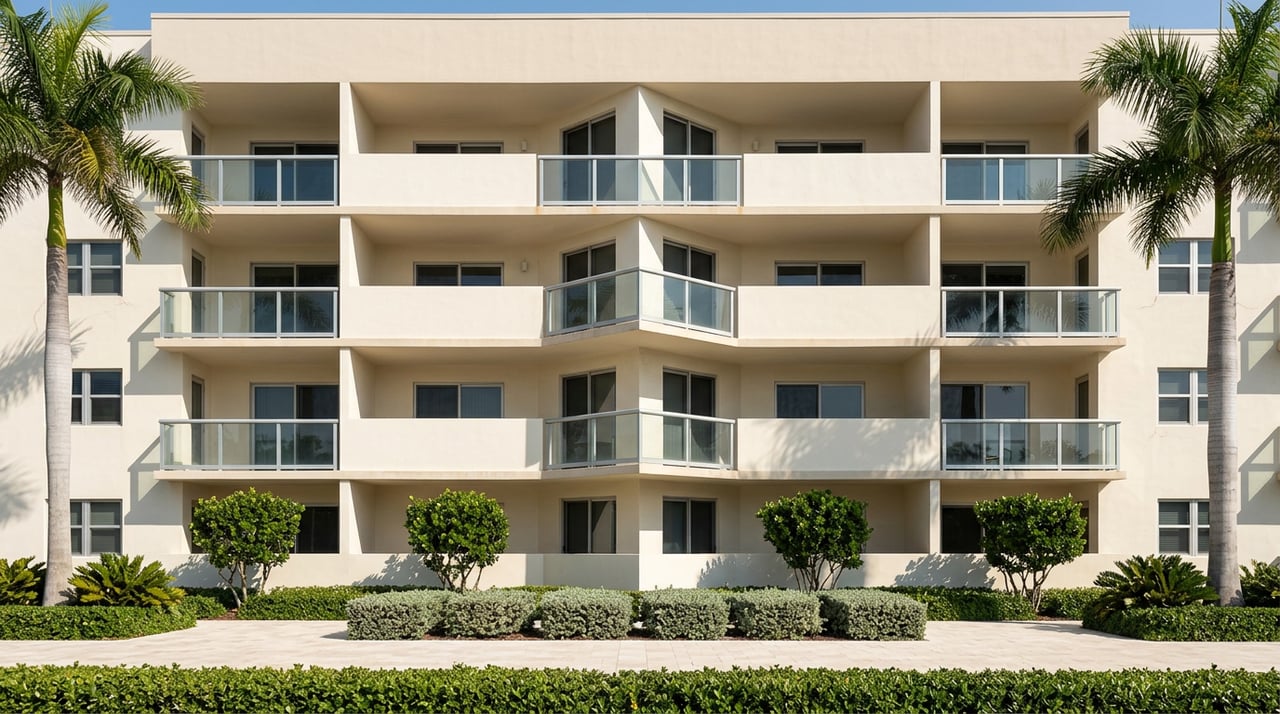
This is especially important in Boca because many buyers consider established coastal and near-coastal buildings. In Florida, milestone inspections are required for buildings three stories or more.
The first inspection is due by the year the building reaches 30 years of age, or 25 years if the building is within three miles of the coast. After that, inspections are required every 10 years.
Florida also requires a structural integrity reserve study for qualifying residential condo buildings three habitable stories or higher. That review covers major items such as the roof, structure, fire protection systems, plumbing, electrical systems, waterproofing and exterior painting, windows and exterior doors, and certain other high-cost components.
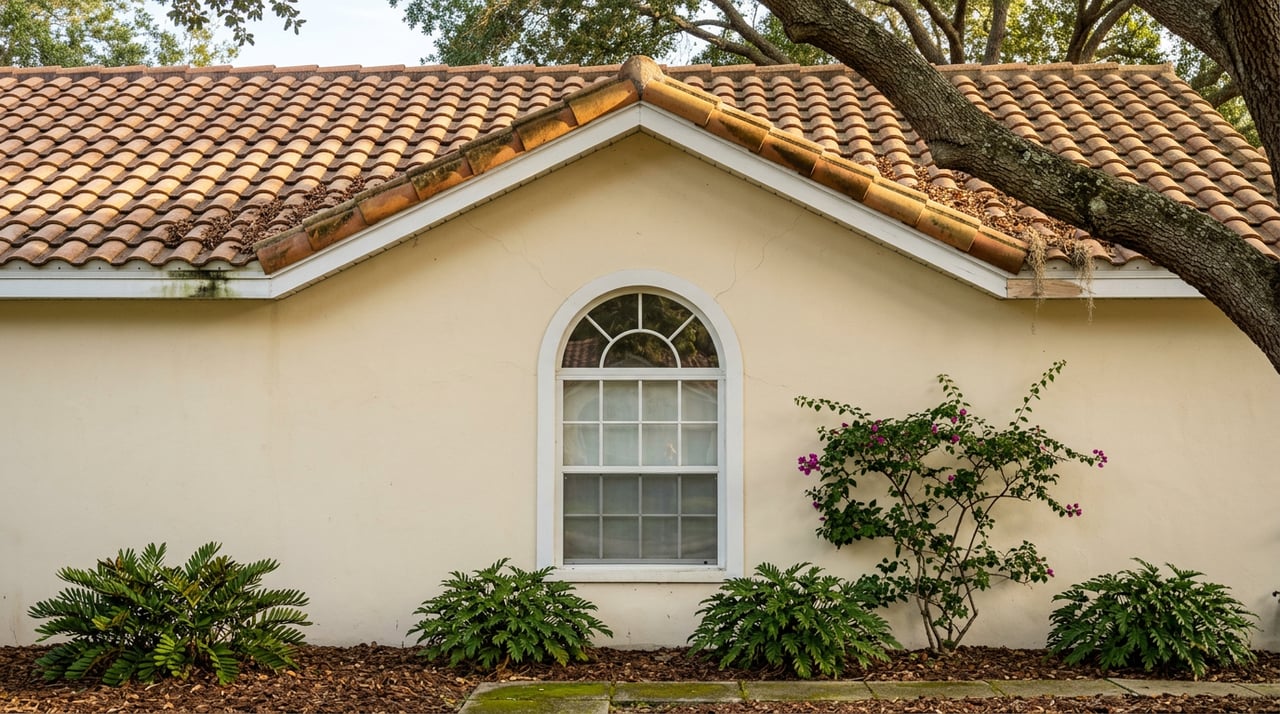
A single-family house usually gives you more direct control over the property. You are typically responsible for the exterior, roof, yard, and repairs, which can be appealing if you want flexibility and privacy.
That independence comes with more direct responsibility. Unlike a condo, where the association often handles much of the building-level work, a house owner usually manages more of the maintenance and long-term repair planning personally.
For some buyers, that is a major advantage. For others, it feels like too much time, cost, or unpredictability.
One common misconception is that choosing a house means avoiding community fees. In Boca, that is not always true.
A detached home in an HOA may still have dues, shared rules, and reserve-related issues. Under Florida HOA rules, reserve accounts can exist, and if the budget does not provide fully funded reserves while the association is responsible for capital improvements, the annual financial report must warn that special assessments may result.
So if you are comparing a condo to a house in a planned community, make sure you are comparing the full cost structure. The fee may look different, but the financial risk profile may not be as different as you expect.
In Boca Raton, insurance can make or break affordability. Two properties with similar purchase prices can have very different monthly carrying costs depending on location, coverage amount, and mitigation features such as shutters.
For a single-family home, a standard homeowners policy is designed around the dwelling itself, other structures, personal property, loss of use, and liability. That means the structure is a core part of your policy and your responsibility.
For a condo, the picture is different. Florida law requires condo associations to carry adequate property insurance for the association property, common elements, and condominium property that must be insured by the association, but that coverage does not include personal property and many interior items such as floor and wall coverings, appliances, built-in cabinets, and window treatments.
That is why condo buyers typically need an HO-6 policy. You also want to understand the building’s master policy and any loss-assessment exposure before you buy.
Flood exposure is one of the biggest local factors in this decision. The City of Boca Raton says FEMA adopted new flood maps on December 20, 2024, and that a large portion of the city lies in a Special Flood Hazard Area.
Palm Beach County also states that its coastal areas are susceptible to storm-surge flooding, and its flood-zone guidance says all county residents live in a flood zone and are at risk for flooding. That does not mean every property has the same level of risk, but it does mean flood review should be part of every Boca home search.
Standard homeowners policies do not cover flood damage. Flood insurance is usually separate, and a lender may require it if the property is in a special flood zone.
For condos, do not assume the association’s coverage answers every flood question. You still need to understand what the master policy covers and what remains your responsibility as the unit owner.
Boca Raton has a broad range of price points, and the gap between neighborhoods is significant. Realtor.com neighborhood data shows median listing prices from $125,000 in Century Village West to $1.59 million in Downtown Boca.
That spread matters because some condo-heavy areas sit far below premium coastal and downtown segments, while certain houses can carry much higher purchase and operating costs. In other words, the better question is often not “condo or house?” but “which specific property gives me the best value for how I want to live?”
When you frame it that way, your search becomes more practical. You can compare not only sticker price, but also fees, insurance, flood exposure, maintenance, and long-term fit.
If you are stuck between the two, use this framework to narrow the choice.
Whether you buy a condo or a house, Boca buyers should review the official records carefully. Florida law requires condo associations and HOAs to maintain important records, and those documents can tell you a lot about future costs and risk.
Here are smart questions to ask before you move forward:
If you plan to make the property your permanent residence, remember that Palm Beach County’s homestead exemption filing deadline is March 1. That is a small detail that can make a meaningful difference in your carrying costs.
In Boca Raton, there is no universal winner between a condo and a house. The right decision depends on your lifestyle, your comfort with maintenance, your tolerance for shared rules, and your total monthly budget after dues, insurance, flood exposure, and taxes.
The strongest buyers look beyond the list price. They compare the full ownership picture, ask the right questions, and choose the property that supports the way they actually want to live.
If you want help comparing Boca condos and houses side by side, Dina Blau can help you sort through the numbers, the neighborhoods, and the tradeoffs with clear local guidance.
Whether you’re buying your first home, relocating, or selling your property for top dollar, Dina is committed to guiding you every step of the way. Her clients consistently praise her for being responsive, honest, and hands-on throughout the entire process.