Seasonal Or Full-Time Living In Delray Beach
Wondering whether Delray Beach makes more sense as your winter escape or your everyday home? It is a great question, and the answer is about more than sunshine and lifestyle. If you are weighing seasonal versus full-time living, you need to think through property type, association rules, storm planning, and long-term costs so you can choose with confidence. Let’s dive in.
The biggest question is simple: how many months of the year will you actually live in Delray Beach? Your answer affects almost everything, from the kind of home that fits your routine to the amount of upkeep you will need to manage when you are away.
If you plan to visit for part of the year, a low-maintenance setup may feel more practical. If you are moving full-time, you may care more about storage, flexibility, and the freedom to make the home work for your daily life.
In Delray Beach, this decision also has a local risk-management side. The city notes that stormwater runoff, flooding, sea level rise, and hurricane risk are part of housing decisions, and even homes outside an official evacuation zone can still face flood and wind exposure.
NOAA defines Atlantic hurricane season as June 1 through November 30. If your property will sit empty during part of that window, seasonal ownership becomes a planning issue as much as a lifestyle choice.
Before you look at specific homes, it helps to be clear about what matters most to you. The right fit usually comes down to how you balance convenience, oversight, flexibility, and exposure to maintenance.
| Priority | Seasonal Living | Full-Time Living |
|---|---|---|
| Day-to-day upkeep | Often lower priority if you prefer lock-and-leave living | Often higher priority because you use the home year-round |
| Space and storage | May need less | Often need more |
| Personalization | May be less important | Often more important |
| Storm preparation | Needs a plan while you are away | Easier to manage if you are in residence |
| Association oversight | Can be helpful for convenience | May feel restrictive if you want more control |
This is not a strict rule, but it is a useful framework. Many seasonal buyers lean toward properties with more built-in management, while many full-time owners want more room and flexibility.
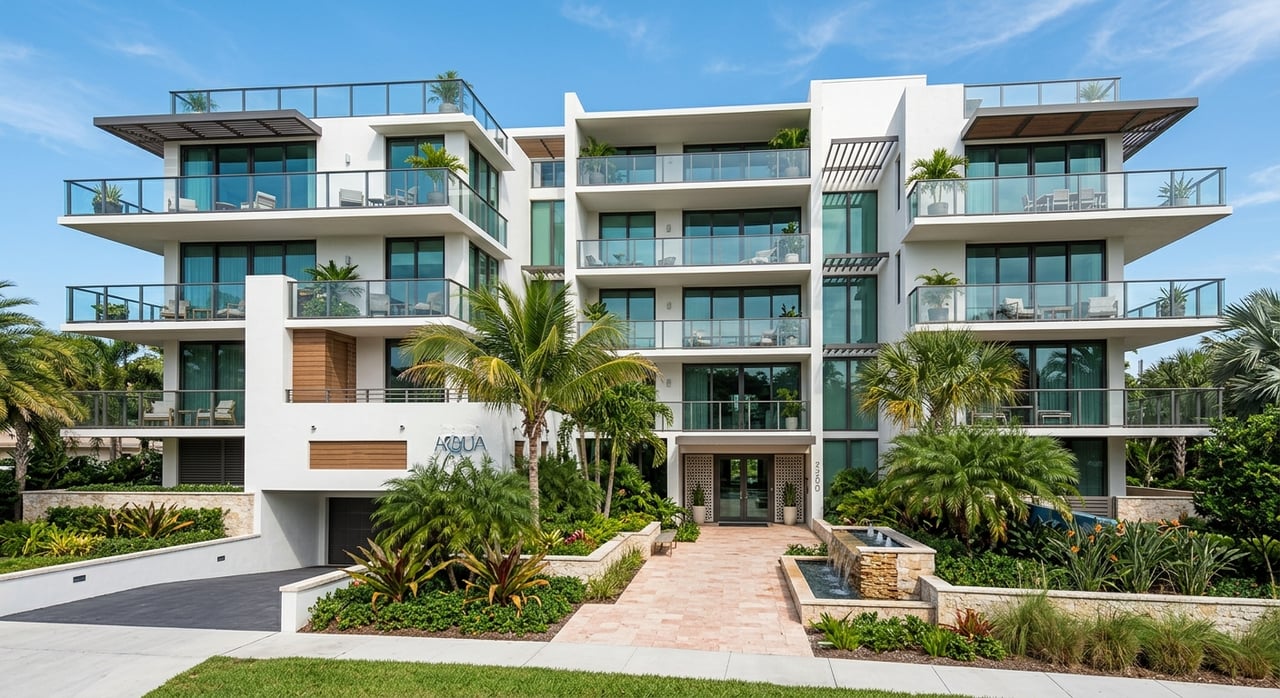
In Delray Beach, one of the clearest differences between seasonal and full-time living is the type of property you choose. A condo, townhome, or home in an HOA community can feel very different from a property with fewer association layers.
Florida condo and HOA statutes give associations authority over budgets, financial reporting, official records, assessments, and enforcement. That means the community rules and financial health are not side details. They are a core part of your ownership experience.
For a seasonal buyer, that structure can be appealing. A community with clear rules and shared maintenance responsibilities may support a simpler lock-and-leave routine.
For a full-time owner, the same structure may be a benefit or a drawback depending on your preferences. If you want more control over use, design choices, or rental options, the governing documents deserve close review before you commit.
If you are choosing between communities, the paperwork matters just as much as the floor plan. Buyers should review the declaration, bylaws, rules, budget, reserves, and inspection documents to understand whether a property fits their goals.
A community that works well for one buyer may not work for another. That is especially true if you are comparing occasional-use ownership with full-time living.
Pay close attention to these areas:
A polished building or attractive entrance does not tell you enough. The documents often reveal the day-to-day reality of ownership.
If you think you may rent the property at times, either now or later, check the rules early. Rental flexibility can vary a lot from one community to another.
In Florida condominiums, an amendment that bans rentals or changes rental duration generally applies only to owners who consent or who buy after the amendment. In HOAs, governing documents may regulate leases under six months and may limit renting a parcel to more than three times in a calendar year.
That matters whether you are buying for seasonal use or full-time living. Even if renting is not your main plan today, it may become important later for flexibility, relocation, or long-term strategy.
The monthly payment is only part of the budget. In Delray Beach, your true ownership cost may also include association fees, reserves, insurance considerations, and possible special assessments.
For homes in HOA communities, budgets may include reserve accounts, and there can be special-assessment risk if reserves are not fully funded. For condos with required structural integrity reserve studies, reserves for those items must be maintained, and unit-owner-controlled associations subject to the rule generally cannot waive or underfund them in budgets adopted on or after December 31, 2024.
This does not mean condo ownership is a bad fit. It means you should understand what you are paying for, how the association plans ahead, and whether the budget supports the building or community over time.
If Delray Beach will become your primary residence, Florida homestead rules may be relevant to your planning. The homestead exemption requires legal title and permanent residence as of January 1, and the application is due to the property appraiser by March 1.
Because the standard is permanent residence, most seasonal or second-home buyers will not qualify unless they truly make the Delray property their legal home. This is one of the clearest financial differences between seasonal and full-time ownership.
Homestead can also trigger Save Our Homes protection, which limits annual assessment growth to the lesser of CPI or 3 percent after the exemption begins. If you are relocating full-time, that is an important factor to discuss as part of your long-term budget.
In Delray Beach, flood exposure should be part of your home search from day one. The city specifically flags areas near the Intracoastal, Lake Ida, and other low-lying locations as places where flood guidance matters.
Standard homeowners and renters policies usually do not cover flood damage. The National Flood Insurance Program offers flood policies for homeowners, renters, and businesses, including condo and townhouse owners in participating communities.
Whether you plan to live in the home seasonally or year-round, flood insurance should be treated as part of the ownership conversation. A beautiful location and a smart risk plan should go together.
Every Delray Beach buyer should think about hurricane season, but the stakes are different when you are not living in the property full-time. A vacant home during storm season needs stronger planning for both pre-storm preparation and post-storm response.
That can include practical questions like who checks the property, how shutters or other storm prep are handled, and how quickly you can respond if conditions change. The issue is not whether a property feels safe in good weather. It is whether your ownership plan works when weather becomes part of the equation.
Full-time owners often have more direct control because they are present. Seasonal owners may want a property and community setup that makes storm planning easier.
Choosing between seasonal and full-time living is also about how you want to spend your time in Delray Beach. Some buyers want a simple coastal base with fewer day-to-day responsibilities. Others want room to settle in, host, organize, and personalize.
The city encourages neighborhood and homeowner associations to keep contact information current, and Delray Beach provides neighborhood services, code enforcement, sanitation, and stormwater resources that matter even more when an owner is away for extended stretches. The city also notes ongoing investments in seawalls, pump stations, and drainage improvements.
That means your neighborhood decision is not only about appearance or location. It is also about how the area and community structure support your routine when you are home and when you are not.
If you are stuck between seasonal and full-time living, focus on four variables. This is often the clearest way to narrow your search and avoid looking at homes that do not match your real needs.
Ask yourself:
When you answer those questions honestly, your path usually becomes much clearer. The best choice is not the one that looks perfect in a photo. It is the one that fits how you actually want to live.
If you are comparing options in Delray Beach, the right guidance can save you time, reduce stress, and help you avoid costly surprises. Dina Blau brings local market knowledge, practical insight, and hands-on support to help you find the South Florida lifestyle that truly fits.

Whether you’re buying your first home, relocating, or selling your property for top dollar, Dina is committed to guiding you every step of the way. Her clients consistently praise her for being responsive, honest, and hands-on throughout the entire process.