The Line on the Zoning Map That Decides If You Can Airbnb Your Delray Beach Home
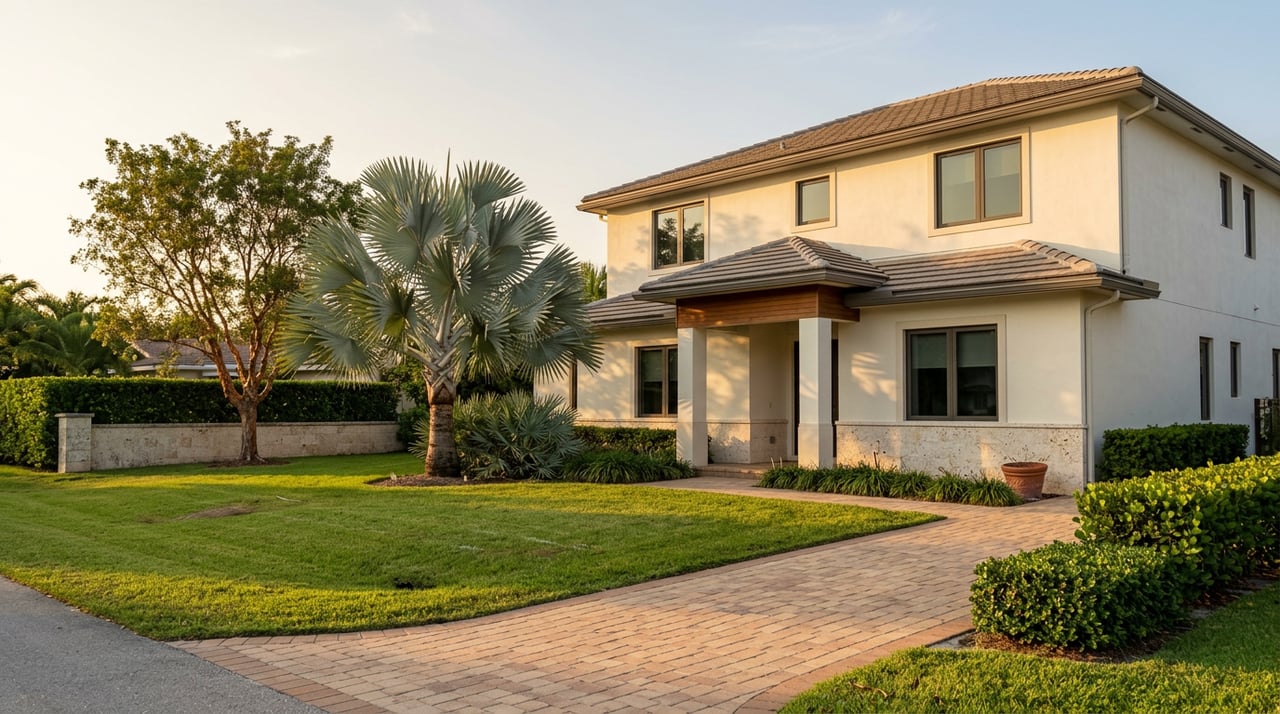
Two three-bedroom houses go on the market the same week, four blocks apart, both priced just under $900,000. A buyer comparing them for short-term rental income assumes the math is basically the same. It isn't. One sits in a single-family zoning district where the city caps rental turnovers at six times a year. The other sits in a Medium Density Residential district where nightly rentals only became legal this past April. Same price. Same neighborhood, in the loose sense most people mean it. Completely different rental futures, and the difference has nothing to do with the house.
This is the part of Delray Beach that doesn't show up on a listing sheet. The city's reputation as a walkable, tourist-friendly beach town makes people assume short-term rental rules are uniform, or at least predictable. They're not. The right to rent a Delray Beach property by the night lives on the zoning map, parcel by parcel, and the map has a history that most buyers never think to ask about.
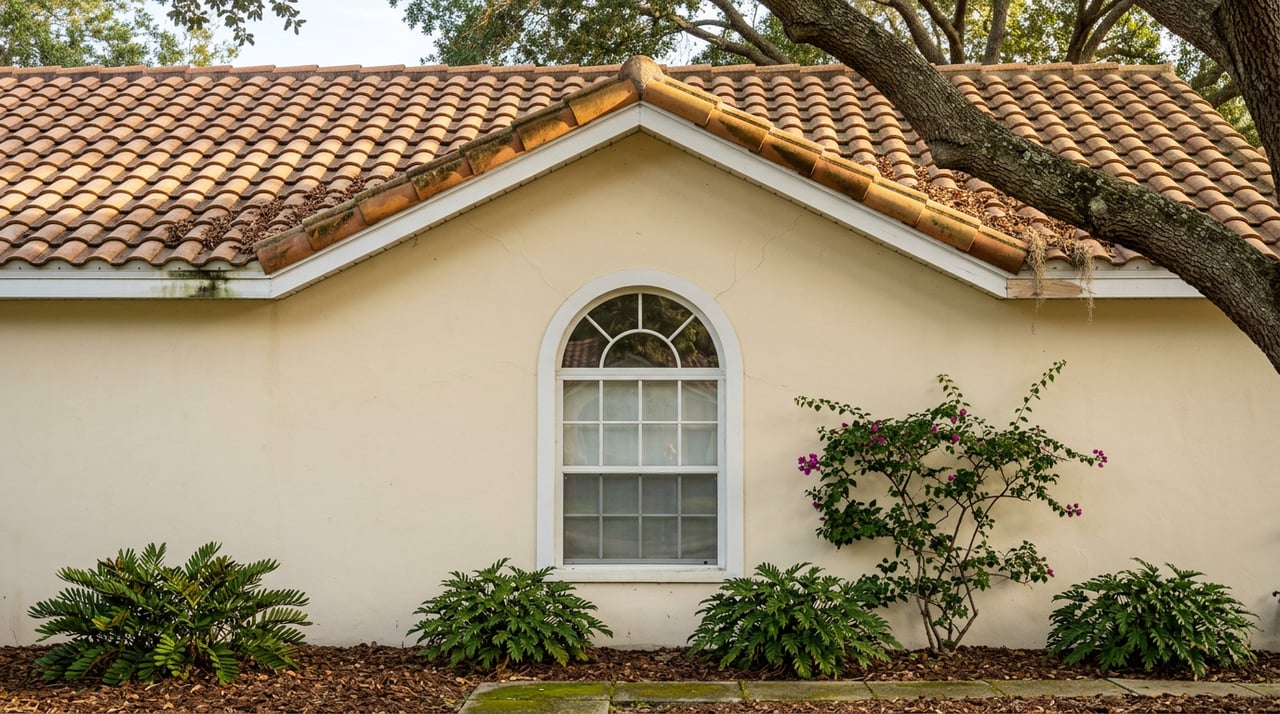
Delray Beach's Land Development Regulations restrict short-term rentals in single-family residential districts under Section 4.3.3(ZZZ), which caps how often a property in those zones can be rented for less than 30 days: no more than six times in a calendar year. That rules out the nightly-turnover Airbnb model in most of the city's traditional residential blocks, the kind of streets with mature trees and older concrete-block houses that read as classic Delray on a drive-by.
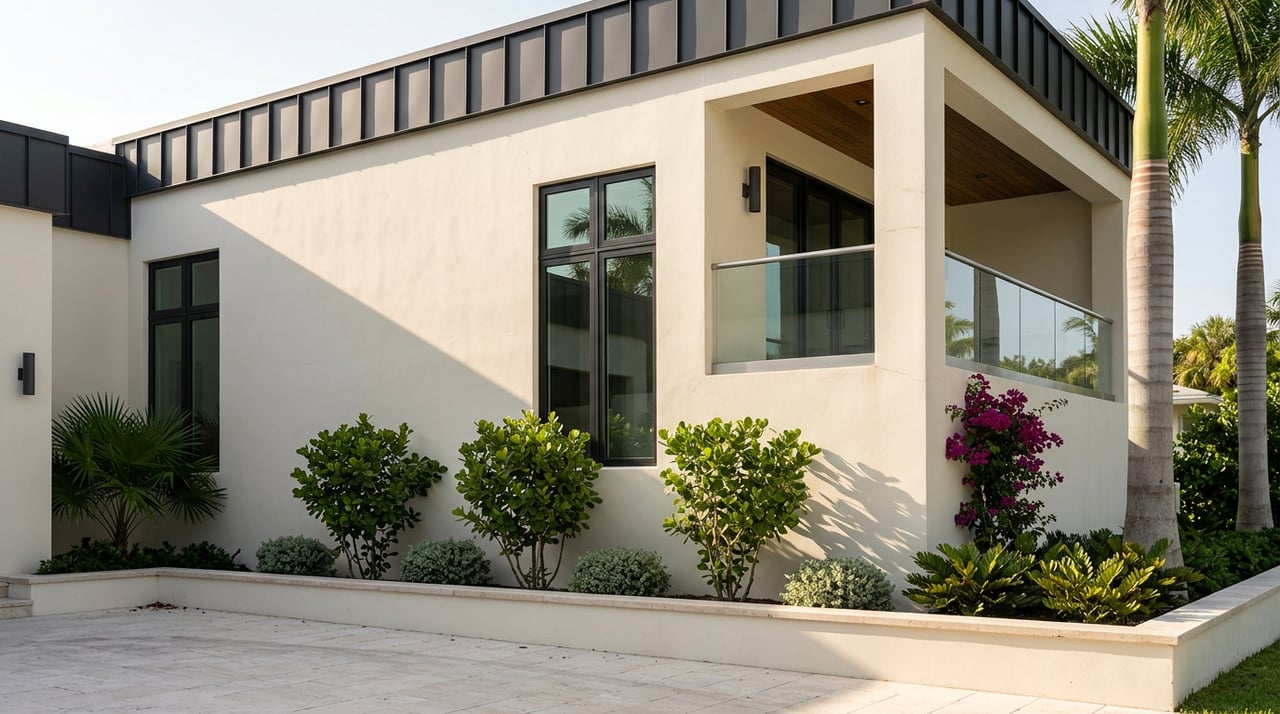
Medium Density Residential districts are a different story. Short-term rentals became allowed there as of April 2026. If a property sits in an RM zone, the calendar-based cap that governs single-family streets doesn't apply the same way.
That single distinction, single-family versus RM, is the whole game for anyone shopping with rental income in mind. A house that looks identical from the curb to the one three doors down can sit on the wrong side of that line. The only way to know is to check the zoning designation on the specific parcel before writing an offer, not after.
The six-times-a-year figure isn't new, and it isn't arbitrary. Delray Beach set that cap in 2009. In 2012 the city tightened it further, down to three times a year. That tighter version held for over a decade, until this year, when the city repealed it.
The reason the 2012 rule had to go traces back to state law. Florida Statute 509.032(7)(b) preempts local governments from regulating the frequency or duration of short-term rentals, with one exception: ordinances already on the books before June 1, 2011 are grandfathered in and stay enforceable. Delray's original 2009 rule cleared that bar. The 2012 tightening did not, because it came two years after the cutoff. Once that got sorted out, the city had to revert to the version the state actually allows, which is how the six-times cap came back into force in April 2026, the same month RM zones opened up to short-term use.
It's a small piece of legislative housekeeping with a real financial consequence for anyone doing rental math on a Delray Beach property today. A number that reads as a simple rule on a listing description or a property manager's blog post actually reflects thirteen years of a city and the state government pulling on the same rope. The version currently in effect is the one that survives state preemption, not necessarily the one the city would write if it started over.
There's also a reason this patchwork hasn't been swept away entirely. In June 2024, Florida's governor vetoed Senate Bill 280, which would have expanded state preemption and stripped cities of most local control over vacation rentals. That veto is why Delray Beach, and plenty of other Florida cities, still get to set their own local terms today, provided those terms predate the 2011 cutoff. Anyone buying with the assumption that Florida has one clean, statewide answer on short-term rentals is working from an outdated picture.
There's a second piece of language that trips up self-directed research, and it's worth separating from the turnover cap because the two get quoted interchangeably online.
Florida law defines a "transient public lodging establishment" as a property rented for stays under 30 days, more than three times in a calendar year, or advertised as available to the public on a recurring basis. That three-times figure sounds like a hard limit when it's pulled out of context. It isn't one. It's a threshold, not a cap. Crossing it is what determines whether a property counts as a short-term rental at all for state licensing and tax purposes. It marks when the state's rules apply, not how many times you're allowed to rent.
The city's actual usage cap, six times a year in single-family zones, is a separate and stricter number layered on top of the state's definition. Reading one for the other is an easy way to think a house complies with local rules when it only clears the state's registration threshold.
For someone weighing Delray Beach against another South Florida market, the zoning question changes what a given price actually buys.
| Single-family zoned parcel | RM (Medium Density Residential) parcel | |
|---|---|---|
| Nightly rental turnovers per year | Capped at six | Not subject to the same calendar-based cap |
| When current rule took effect | Reverted to original 2009 version in April 2026 after 2012 tightening was repealed | Became eligible for short-term use in April 2026 |
| Governing document | LDR Section 4.3.3(ZZZ) | City zoning code, RM district provisions |
| Layer above city rule | County Tourist Development Tax registration and state DBPR licensing still apply | Same county and state requirements still apply |
The county and state layers apply regardless of which side of the zoning line a property falls on. Palm Beach County requires a Tourist Development Tax account for any stay under 180 consecutive nights, and the state requires licensing through the Department of Business and Professional Regulation. Those obligations don't change based on zoning. What changes is whether the city will let the rental happen in the first place.
Condo and HOA documents add a third layer entirely, separate from city zoning. An association can prohibit or restrict short-term rentals even in a district where the city itself allows them, and that restriction usually can't be argued around. A buyer comparing a single-family house against a condo for rental potential is really comparing three different rulebooks stacked on top of each other, not one.
A few questions worth asking, and answering, before a Delray Beach property gets treated as an investment rather than just a home:
None of this replaces a conversation with the city's planning and zoning staff or an attorney who handles Florida vacation rental compliance. It does mean a buyer walks into that conversation asking the right question instead of assuming the answer.
Does the six-times cap apply to condos the same way it applies to houses? The city's zoning-based cap is tied to the district, not the property type, but condo and HOA documents frequently impose their own, often stricter, rental restrictions on top of whatever the zoning allows. The two layers have to be checked separately.
If a listing says the property is currently operating as a short-term rental, does that mean it's fully compliant? Not automatically. A property being marketed for nightly stays doesn't confirm it's within the zoning cap, registered with the county, or licensed with the state. Those are worth verifying independently rather than taking as given.
Could the six-times cap change again? It's tied to a 2009 ordinance that predates Florida's 2011 preemption cutoff, which is why it survived where the 2012 tightening didn't. Any future change would need to work within that same preemption framework, so it's worth checking current status rather than assuming today's rule is permanent.
Delray Beach's short-term rental rules reward the buyer who checks the parcel before falling for the block. If you're comparing a rental-minded purchase here against another South Florida market, or you just want a straight answer about what a specific address allows, Boca Delray Properties can walk the zoning line with you before you write the offer, not after. Let's Connect.


Whether you’re buying your first home, relocating, or selling your property for top dollar, Dina is committed to guiding you every step of the way. Her clients consistently praise her for being responsive, honest, and hands-on throughout the entire process.